Strategy
A coalition convening civil society across Asia and Africa to navigate FATF regulation and the closing of civic space. The identity had to hold organisations that share a problem but little else, different countries, languages, legal systems, levels of risk.
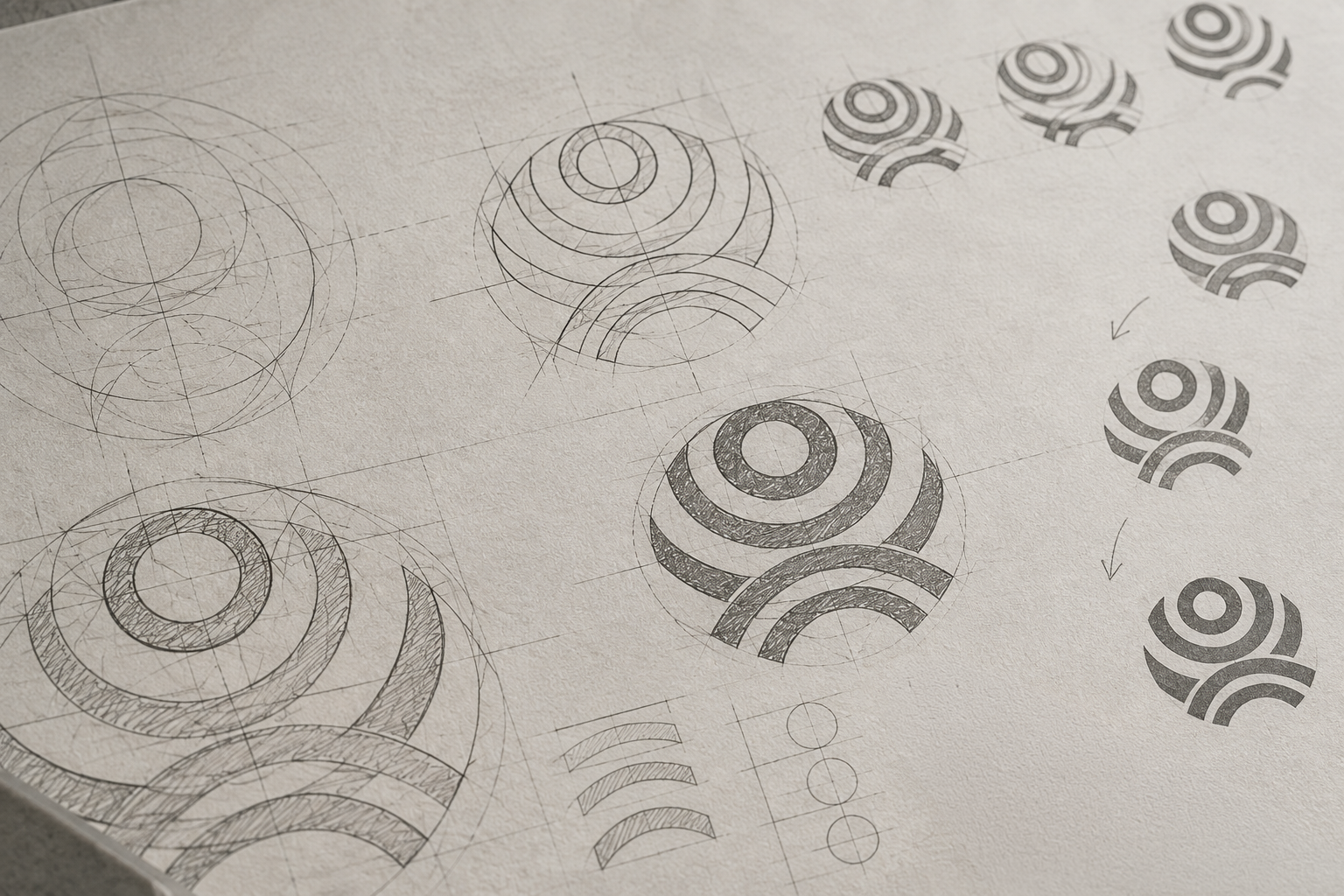
I began by mapping the coalition's environment on a PESTLE grid, political, economic, social, technological, legal, environmental, and sketching against it. The same forms kept recurring: orbits, overlapping circles, feedback loops. Members were not a hierarchy or a network but bodies in shared orbit: different but same. Co-existence, dialogue and return were the behaviours the identity needed to picture.
Visual Systems
·
Drawing
·
Brand Identity
·
Strategy
·
Visual Systems · Drawing · Brand Identity · Strategy ·
The mark
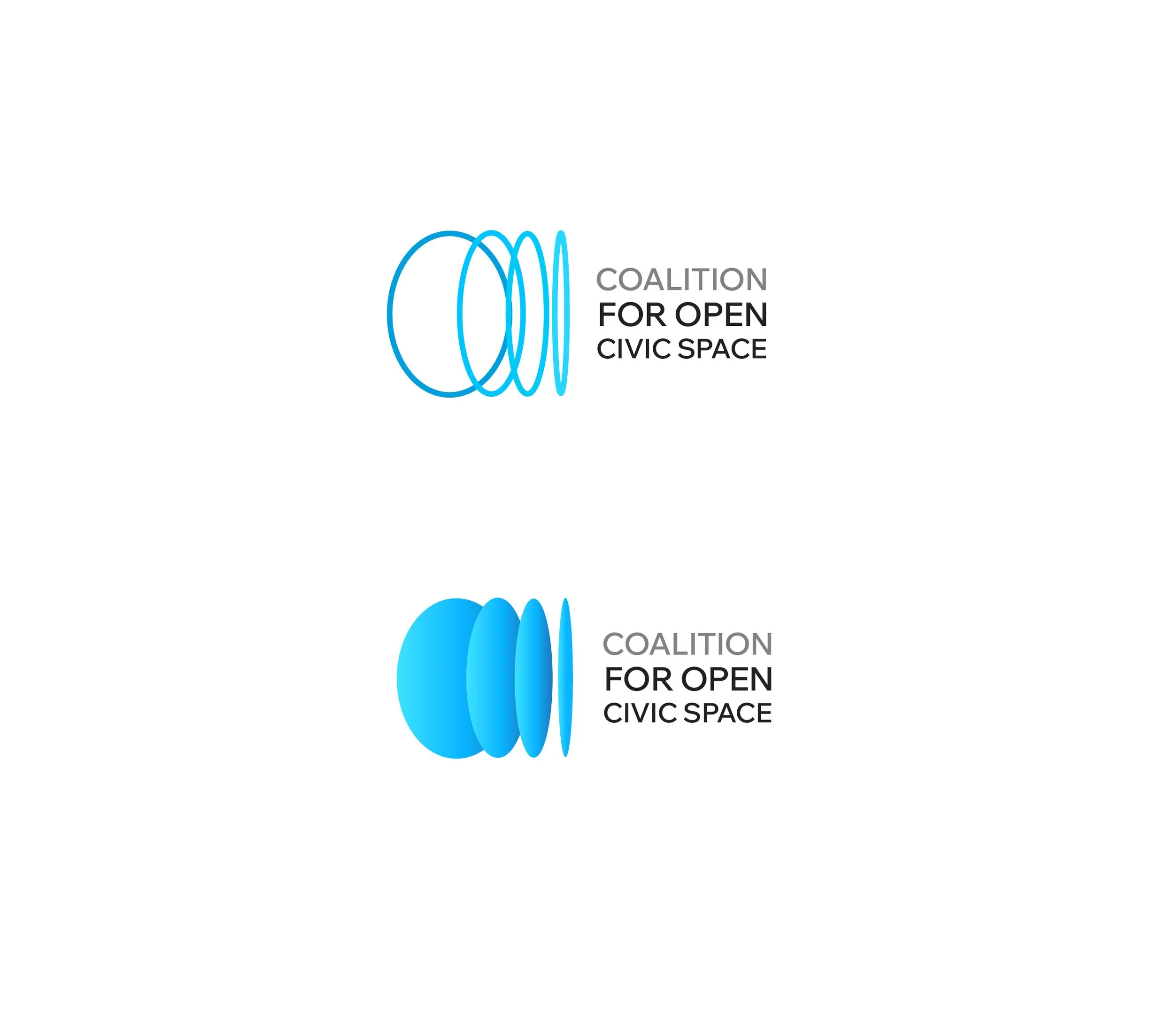
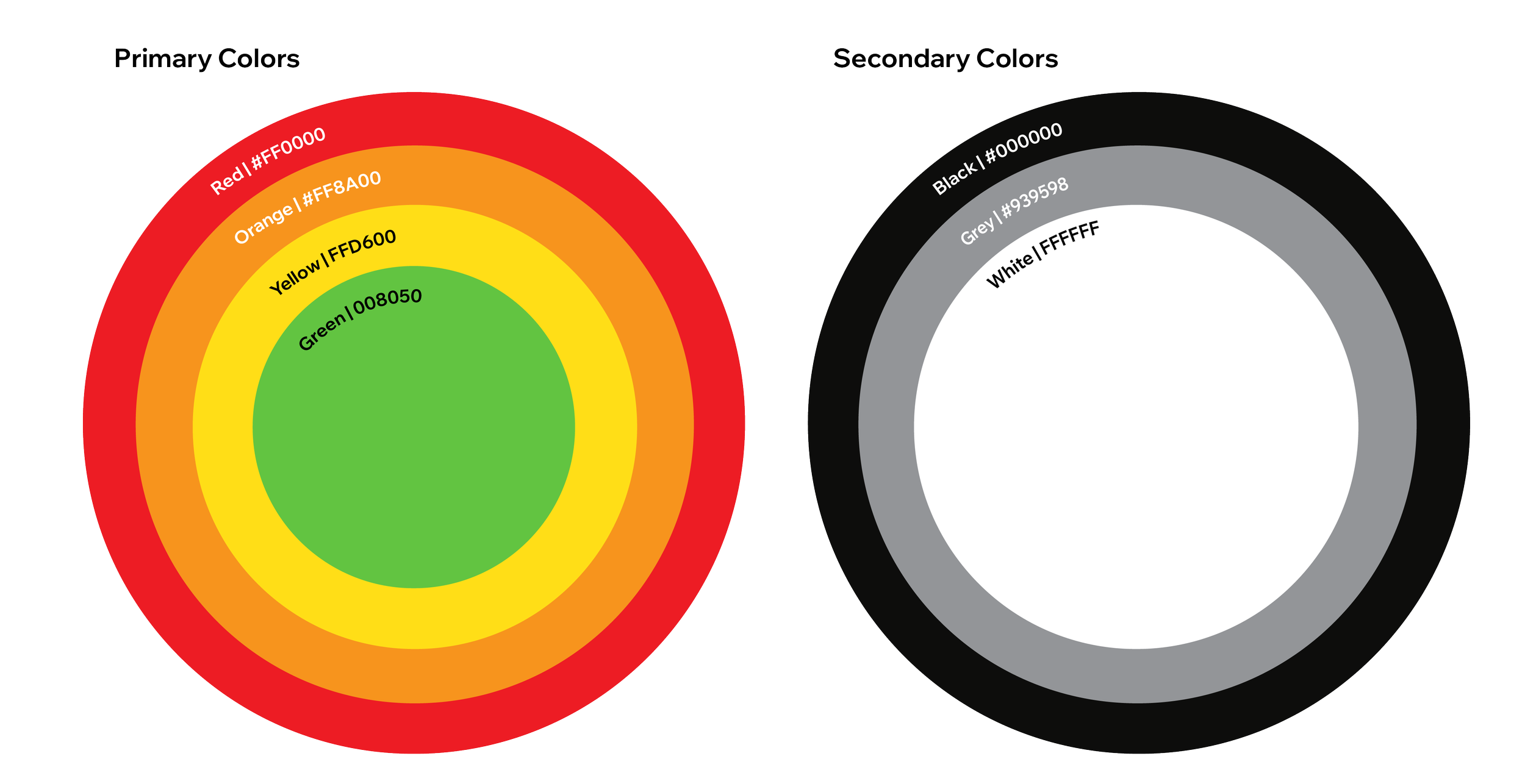
Concentric arcs that resolve two ways: a dome of overlapping orbits, and a signal radiating outward. Red, orange, yellow and green run from centre to edge, a spectrum of difference held in one form. Drawn to work as a lockup, a stacked mark, and a circular badge.
Coalition for Open Civic Space
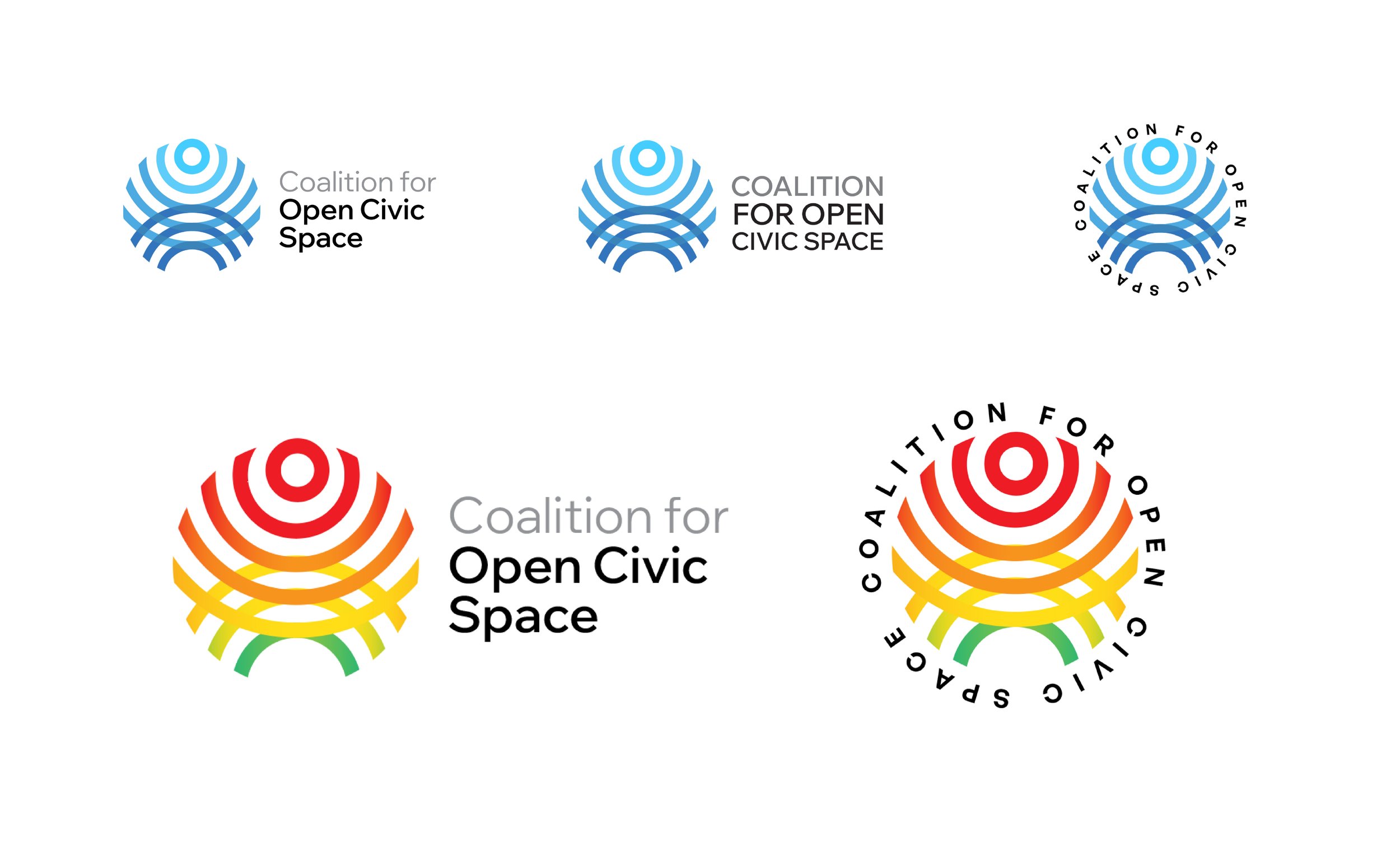
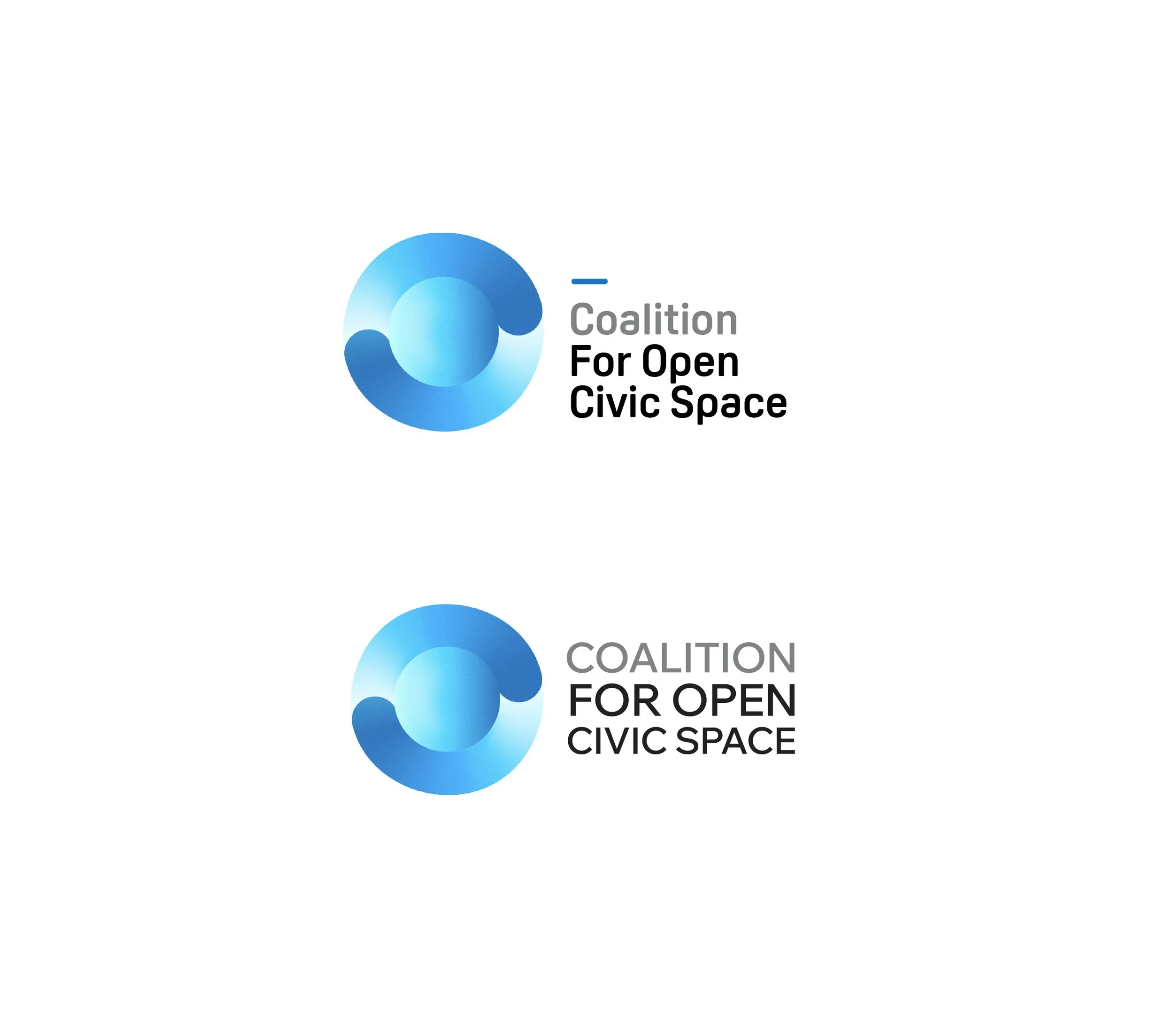
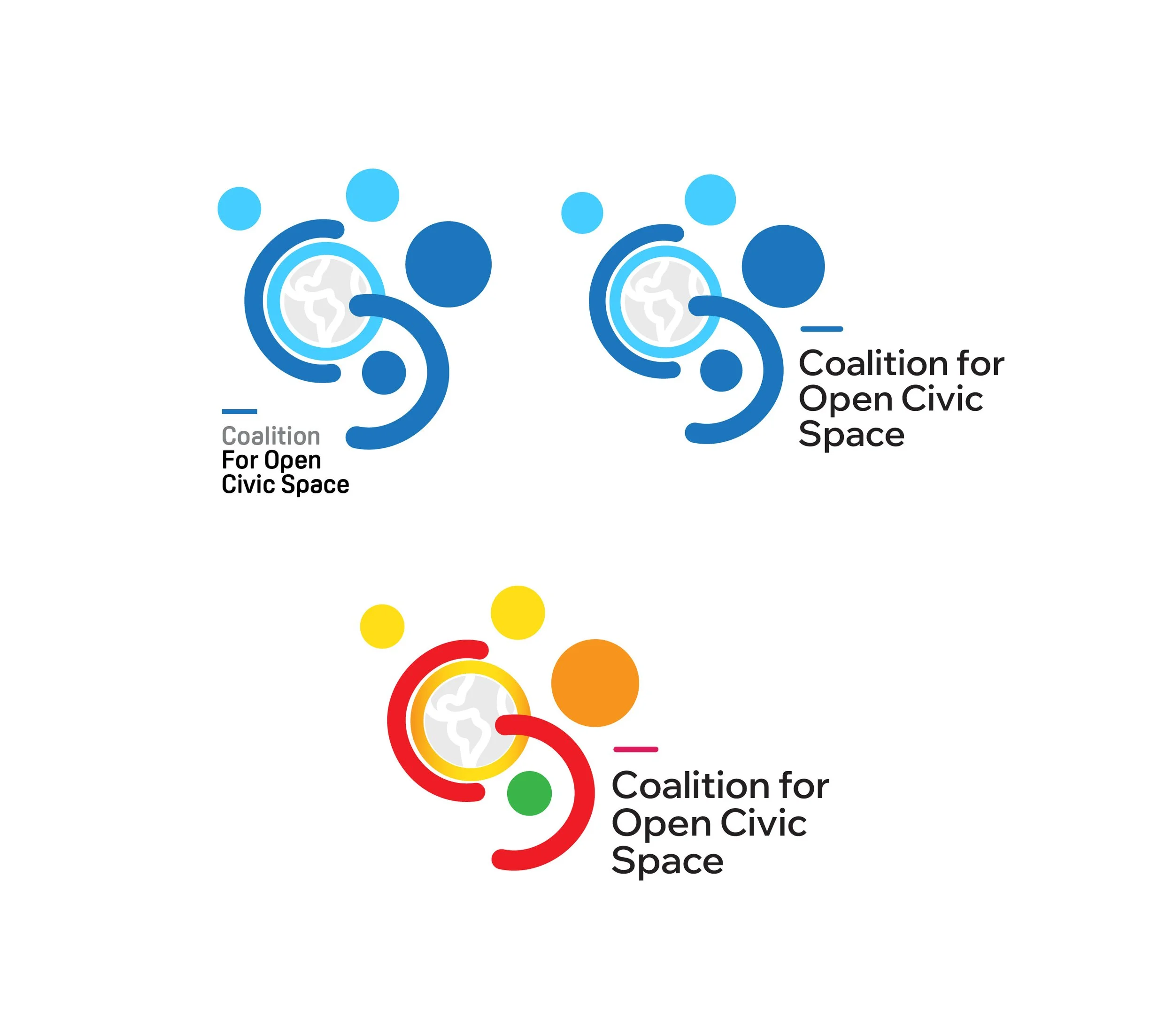
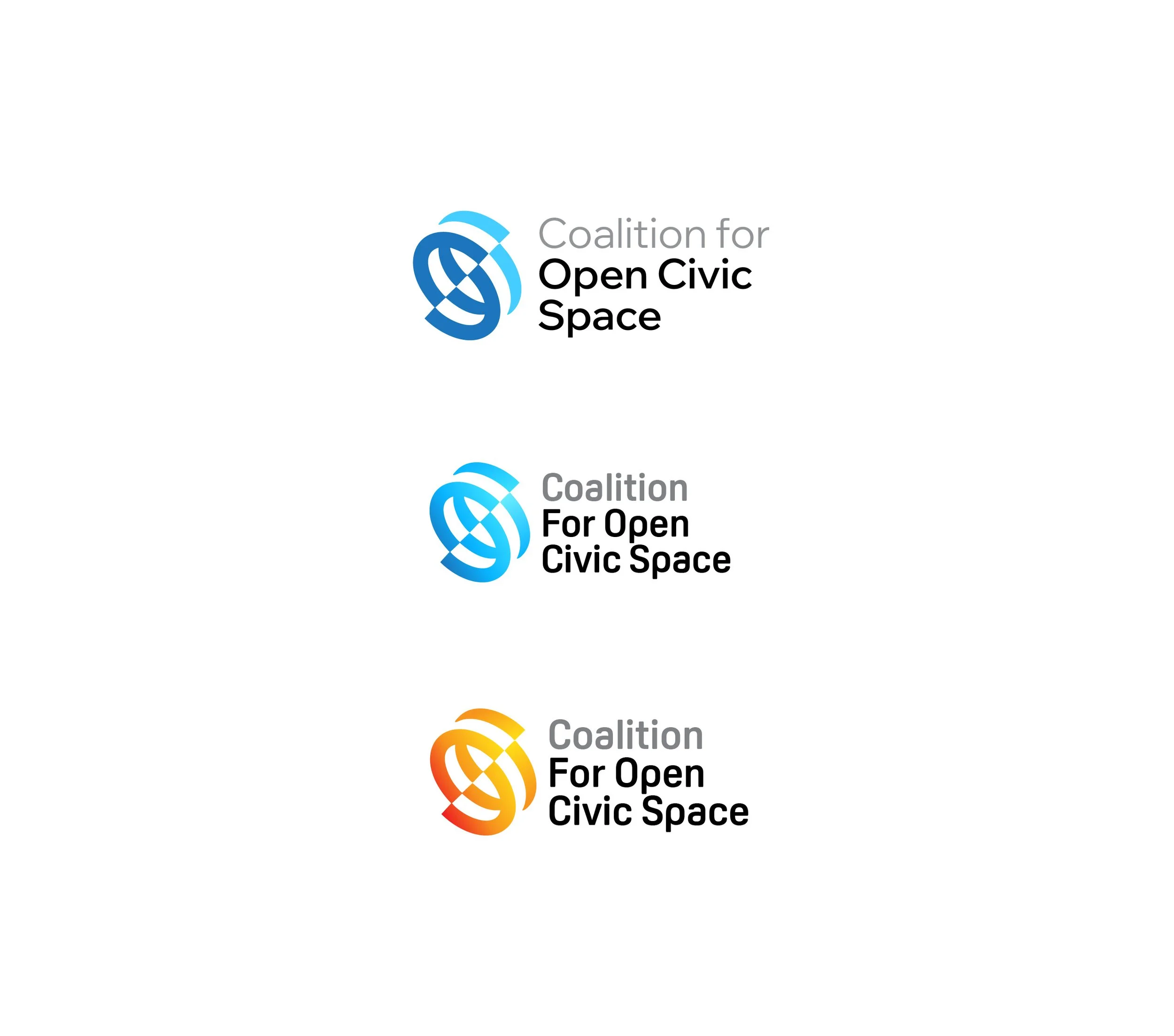
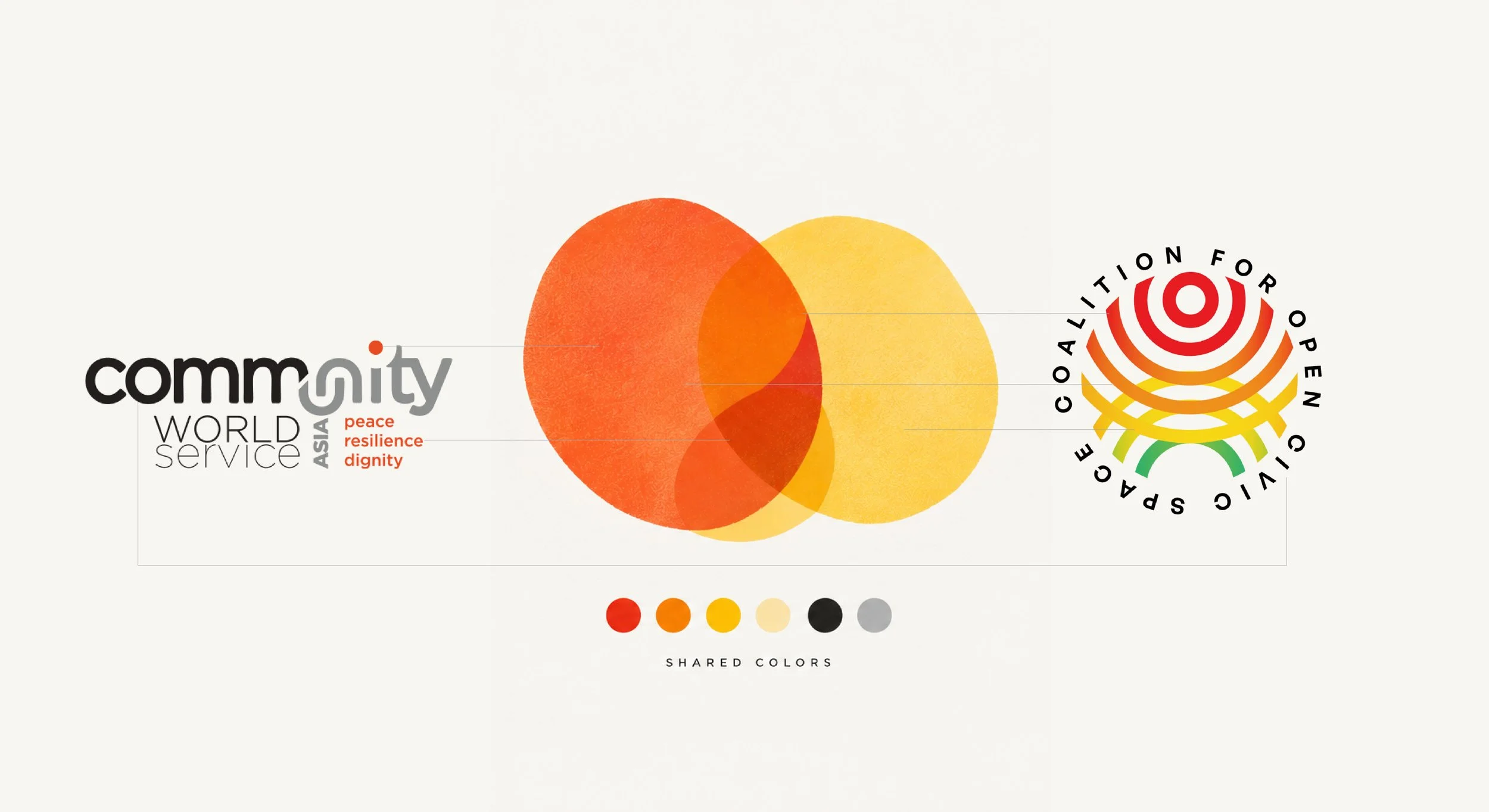
Five directions were developed from the sketches, interlocking forms for collaboration, a dotted globe for geographic spread, nested ellipses for co-existence. One route was built deliberately inside Community World Service Asia's own palette, so the coalition could read as an extension of its convenor rather than a competitor for attention.
Typeface
Wix Madefor Display, in three weights. Regular for body, Medium for subheads, Bold for display. Set alongside the mark in grey and black so the colour sits only in the symbol, keeping applications calm where the content is not.
The coalition draws its red, orange and yellow from Community World Service Asia's own palette, an inheritance, not a coincidence. Where the two overlap, the convenor is visible in the coalition it convenes.
Application
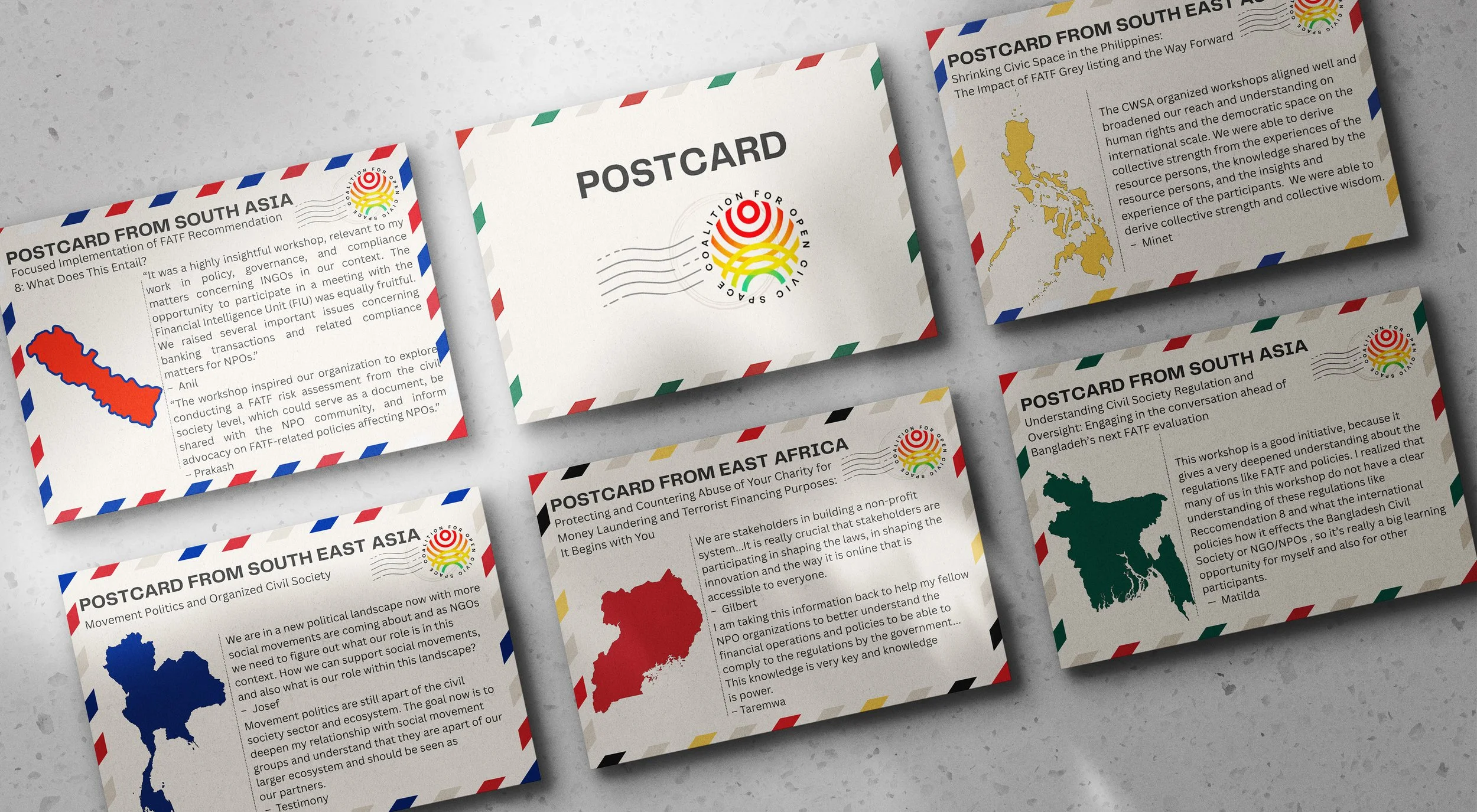
The identity first went into use across five regional workshops in 2026, 150 participants, 113 organisations, five countries, where participant reflections were published as postcards, the mark set as a postage stamp. Correspondence between people in the same orbit.